
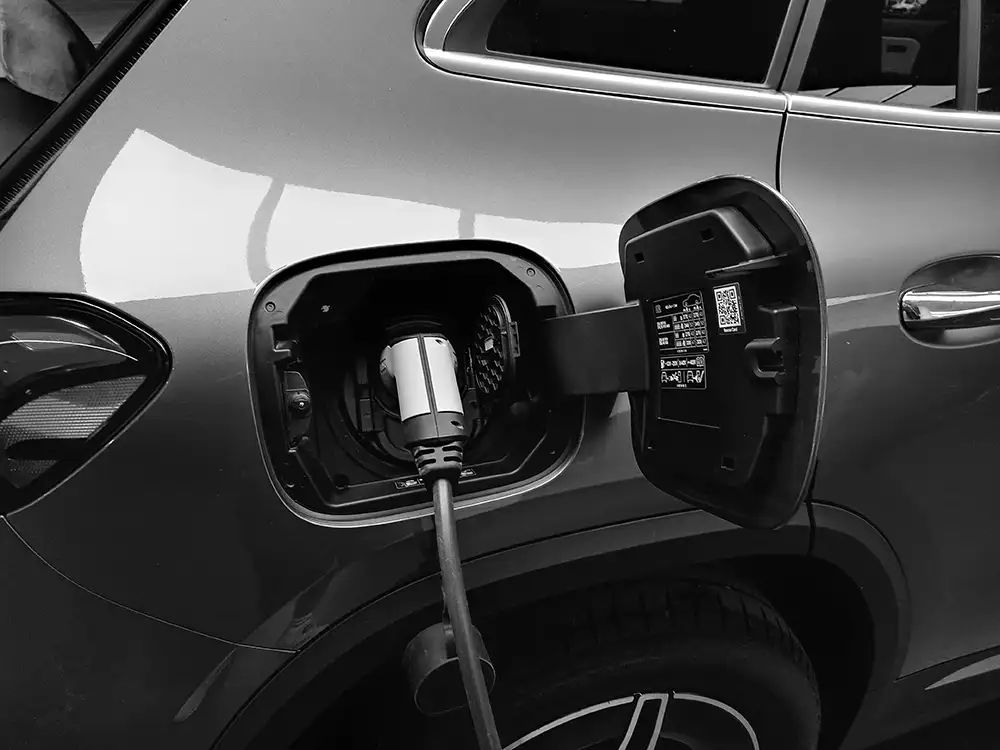
Installing an electric vehicle charger at home can make owning an EV much easier, especially if you normally park at home overnight.
But before arranging an installation, there are two questions most London homeowners, renters and landlords want answered:
How much does an EV charger installation cost?
Can you get an OZEV grant in 2026?
The answer depends on your property, parking arrangement, charger type and electrical installation.
In 2026, eligible households can receive government support of up to £500 towards the purchase and installation of an EV chargepoint socket under the relevant OZEV schemes. The available grant depends on your circumstances, including whether you own a house, own a flat, rent your home or park on the street.
How Much Does an EV Charger Installation Cost in London?
A typical home EV charger installation in London can vary considerably.
As a general budgeting guide, a straightforward installation may cost around:
£800–£1,500 before any eligible grant
More complicated installations can cost more.
For example, the price may increase if the charger is far from the consumer unit, the cable route is difficult, additional electrical work is required, or the property needs upgrades before the charger can safely be installed.
The charger itself is also part of the overall cost, so two installations with apparently similar labour requirements can still have different prices depending on the equipment selected.
How Much Can the OZEV Grant Save You in 2026?
From 1 April 2026, the maximum grant available under the relevant residential chargepoint schemes increased from £350 to £500 per socket. The current schemes are funded until 31 March 2027.
For eligible applicants, the grant can cover 75% of the cost, up to a maximum of £500, depending on the specific scheme and eligibility requirements.
For example, if an eligible installation costs £1,000:
Installation cost: £1,000
Potential grant: £500
Remaining cost: £500
The actual amount depends on the scheme you qualify for and the total eligible cost.
GOV.UK electric vehicle chargepoint grants
Is the OZEV Grant Still Available in 2026?
Yes.
The government changed the EV chargepoint grant schemes from 1 April 2026, increasing the maximum grant rate for eligible residential installations to £500 per socket.
The updated schemes are scheduled to remain available until 31 March 2027.
This means that if you’re planning an EV charger installation in London during 2026, it is worth checking your eligibility before arranging the work.
Who Can Get the EV Charger Grant in 2026?
Eligibility depends on your circumstances.
The current residential schemes include support for:
- People living in rented accommodation
- Flat owner-occupiers
- Residential landlords
- Households with on-street parking
The exact requirements are different for each scheme.
You also generally need an eligible electric vehicle and an appropriate parking arrangement.
GOV.UK guidance for renters and flat owners
EV Charger Grant for Renters and Flat Owners
If you rent your home or own and live in a flat, you may be eligible for the residential EV chargepoint grant.
The current scheme provides up to 75% of the eligible cost, capped at £500 per socket.
There are specific eligibility requirements, including requirements relating to the property, parking and vehicle.
For example, the government guidance states that eligible flat owners and renters need their own private off-street parking space for this particular scheme.
If you’re renting, you may also need permission from your landlord before installation.
EV Charger Grant for Homeowners Without a Driveway
London has a particular challenge for EV owners: not everyone has a private driveway.
The government has a separate grant for households with on-street parking where a cross-pavement charging solution is installed.
This can provide up to £500 towards the purchase and installation of an EV chargepoint, subject to the scheme’s eligibility requirements.
The scheme requires an appropriate cross-pavement charging solution rather than simply running a cable loosely across a pavement.
You may also need permission from the relevant local highways authority.
GOV.UK information on the on-street parking EV chargepoint grant
Can London Landlords Get an EV Charger Grant?
Yes.
There is a separate residential landlord chargepoint grant.
Under the current 2026 scheme, eligible residential landlords can receive up to £500 per socket, with grants available for up to 200 sockets per year.
This can be particularly useful for landlords managing several residential properties.
However, the property and installation need to meet the scheme requirements.
GOV.UK EV chargepoint grant for residential landlords
What Does an EV Charger Installation Involve?
Installing a home EV charger isn’t simply a matter of attaching a box to the outside wall.
The electrician needs to assess the property and determine the safest and most practical way to connect the chargepoint to the electrical installation.
The installation can involve:
- Checking the existing consumer unit
- Assessing the available electrical capacity
- Planning the cable route
- Installing the charging unit
- Installing the required protective devices
- Connecting the charger to the electrical installation
- Testing the installation
- Configuring the chargepoint
- Providing the required documentation
The exact installation method depends on the property.
How Long Does EV Charger Installation Take?
A straightforward domestic installation can often be completed in a few hours.
However, more complicated installations may take longer.
For example, additional time may be required if:
- The charger is far from the consumer unit
- The cable needs to pass through difficult areas
- The installation requires additional protection
- The consumer unit needs upgrading
- The property has an unusual electrical layout
- Trenching or other external work is required
This is why an electrician should assess the property before giving a final installation price.
Where Should an EV Charger Be Installed?
The ideal location depends on where you normally park your vehicle and where the electrical supply is located.
Common locations include:
- Garage walls
- Driveway-facing external walls
- Side walls
- Front walls
- Carports
The shorter and simpler the cable route, the easier the installation can be.
However, the charger should also be positioned so that the charging cable can reach the vehicle without creating an unnecessary trip hazard or obstructing access.
How Far Can an EV Charger Be From the Consumer Unit?
There isn’t one universal maximum distance.
The electrician needs to consider the cable size, installation method, voltage drop, protective devices and the characteristics of the electrical installation.
A charger located immediately next to the consumer unit can be relatively straightforward.
A charger at the front of a house while the consumer unit is at the rear may require a considerably longer cable route.
This can increase both labour and material costs.
Does My Consumer Unit Need to Be Upgraded?
Not always.
The electrician should assess the existing consumer unit before installing the EV charger.
Depending on the installation, additional protection or an upgrade may be required.
This is particularly important in older properties where the existing electrical installation may not have been designed for the additional load of an EV charger.
If an upgrade is necessary, it should be included in the quotation rather than appearing as an unexpected cost after the installation has started.
Can an EV Charger Overload My House?
A properly designed installation should take the home’s electrical demand into account.
An EV charger can represent a significant additional electrical load, particularly when the vehicle is charging at a relatively high rate.
The electrician should therefore consider:
- Existing electrical demand
- Main supply capacity
- Consumer unit
- Charger output
- Other high-power appliances
- Load management requirements
Smart charging and load management can help manage electrical demand in some installations.
What Is Smart Charging?
A smart EV charger can communicate with your vehicle and, depending on the model and setup, can adjust charging based on factors such as electricity tariffs, charging schedules or available electrical capacity.
For example, you may want the vehicle to charge overnight when your electricity tariff is cheaper.
Some chargers can also work with solar PV systems, allowing homeowners to make better use of electricity generated by their own solar panels.
Can an EV Charger Work With Solar Panels?
Yes, depending on the equipment and installation.
If you already have solar panels, you may want an EV charger that can use surplus solar generation to charge your vehicle.
This can help reduce the amount of electricity you need to buy from the grid.
However, solar-compatible charging is not automatically included with every EV charger, so it is worth discussing your requirements before choosing the equipment.
Which EV Charger Should You Choose?
There isn’t one charger that is best for every London property.
When comparing chargers, consider:
- Charging speed
- Smart charging features
- Wi-Fi or mobile connectivity
- Solar compatibility
- Cable type
- Tethered or untethered design
- Warranty
- Manufacturer support
- OZEV eligibility
If you’re hoping to use an OZEV grant, the chargepoint model must meet the scheme’s requirements.
The government maintains an official list of eligible chargepoint models for the relevant grant schemes.
GOV.UK list of eligible EV chargepoint models
Does Every EV Charger Qualify for the OZEV Grant?
No.
The chargepoint must meet the relevant government requirements, and the installation must be carried out under the applicable grant scheme rules.
The government maintains an official list showing which chargepoint models are eligible for residential and commercial grants.
This is important because choosing a charger first and checking grant eligibility later could lead to problems.
If the grant matters to you, check the equipment and installer requirements before installation.
Does the Installer Need to Be OZEV Approved?
Yes, if you want the installer to claim an OZEV chargepoint grant on your behalf.
The government states that only authorised installers can claim the relevant OZEV grants, and installations must meet the scheme requirements.
GOV.UK information about OZEV authorised installers
This is one of the most important things to check before booking an installation.
Don’t assume that every electrician who installs EV chargers can automatically process an OZEV grant.
What Happens During an EV Charger Installation?
A typical installation can follow several stages.
1. Property Assessment
The electrician assesses the electrical installation and identifies the most suitable location for the charger.
2. Charger Selection
You choose a suitable chargepoint based on your vehicle, property and charging requirements.
3. Electrical Installation
The charger is connected to the electrical installation using the appropriate protective equipment and cable route.
4. Testing
The installation is tested to ensure it is functioning correctly and safely.
5. Documentation
The required electrical and grant documentation is completed.
If you’re using an OZEV grant, the authorised installer also needs to submit the required evidence for the grant claim.
Can I Install an EV Charger Myself?
For a permanent home EV charger, using a qualified and appropriately registered electrician is the sensible option.
An EV charger is a high-power electrical installation, and incorrect installation can create serious safety risks.
If you want to use an OZEV grant, there is an additional reason not to treat this as a DIY project: the grant requires the installation to be carried out under the relevant authorised-installer arrangements.
EV Charger Installation Cost With the 2026 Grant
Let’s look at a simple example.
Suppose your complete installation costs:
£1,200
If you qualify for a grant of:
£500
Your remaining cost would be:
£700
Another installation might cost £900, in which case a £500 maximum grant could leave:
£400
The grant doesn’t mean every customer automatically gets £500.
It is subject to eligibility and the percentage/cap rules of the relevant scheme.
What Can Increase the Cost of EV Charger Installation?
Several things can push the installation price higher.
Long Cable Runs
The further the charger is from the consumer unit, the more cable and labour may be required.
Difficult Cable Routes
Routing cables through walls, ceilings or external areas can increase labour time.
Consumer Unit Upgrades
Older installations may need additional work before an EV charger can be safely installed.
Additional Protection
The charger installation may require specific protective equipment depending on the charger and electrical system.
Groundworks
If cables need to be buried underground, excavation and reinstatement can increase the total cost.
Multiple Chargers
Installing more than one chargepoint requires additional design and electrical capacity considerations.
EV Charger Installation for Flats in London
Installing an EV charger at a flat can be more complicated than installing one at a detached house.
You may need to consider:
- Parking ownership
- Communal parking
- Freeholder permission
- Management company approval
- Cable routes through communal areas
- Electrical supply arrangements
This is why flat owners should check the property’s permissions and parking arrangements before ordering equipment.
If you’re an owner-occupier of a flat, you may also be eligible for the current EV chargepoint grant for flat owners, subject to the scheme requirements.
EV Charger Installation for Renters in London
Renting doesn’t automatically prevent you from getting an EV charger.
The current government grant scheme specifically includes people living in rented residential properties, subject to the eligibility criteria.
However, you’ll normally need to obtain the necessary permission from your landlord before making changes to the property.
It is worth discussing the charger location, cable route and any future maintenance responsibilities with the landlord before installation.
What Should You Ask Before Booking an EV Charger Installation?
Before accepting a quotation, ask:
- Is the charger included?
- Is installation included?
- Is the installer OZEV authorised?
- Is the charger model OZEV eligible?
- Is the grant being claimed on my behalf?
- Is VAT included?
- Does the quote include consumer-unit work?
- How long will installation take?
- Are there additional charges for a long cable run?
- Is testing and certification included?
- What warranty is provided?
Getting clear answers to these questions can make comparing quotations much easier.
Is an EV Charger Worth Installing in London?
For many EV owners, home charging can be much more convenient than relying entirely on public chargepoints.
You can plug the vehicle in when you get home and charge overnight rather than making a separate trip to find a public charger.
The financial benefit depends on your electricity tariff, vehicle efficiency, charging habits and how much you would otherwise spend on public charging.
The government has also highlighted the potential cost benefits of home charging, particularly when cheaper electricity tariffs are available.
EV Charger Installation London: 2026 Cost Summary
For a straightforward domestic installation, a useful starting budget is around:
£800–£1,500 before any eligible grant
More complicated installations can cost more.
From 1 April 2026, eligible residential EV chargepoint grants can provide up to £500 per socket, subject to the specific scheme’s eligibility and percentage limits. The current residential schemes are funded until 31 March 2027.
The biggest factors affecting your final price are usually:
- Charger model
- Cable distance
- Installation complexity
- Consumer unit requirements
- Electrical capacity
- Groundworks
- Property type
- Parking arrangement
If you’re considering an EV charger for your London property, getting the electrical installation assessed first is the best way to avoid unexpected costs.
Need an EV Charger Installed in London?
If you’re planning to install an EV charger at your home, the installation should be designed around your property’s electrical system rather than simply choosing the cheapest charger and fitting it wherever convenient.
A properly planned installation can take into account your current electrical demand, future requirements, charger location and any additional equipment you may want later.
You can use Electrical services in London above as the internal link to your Homacord Electrics page.
For wider property maintenance requirements:
Frequently Asked Questions
How much does an EV charger installation cost in London in 2026?
A straightforward home installation can often be around £800–£1,500 before any eligible grant, although more complicated installations can cost more.
How much is the OZEV grant in 2026?
From 1 April 2026, eligible residential applicants can receive up to £500 per chargepoint socket, subject to the specific scheme’s eligibility and percentage limits.
Is the OZEV grant still available in 2026?
Yes. The current home and workplace chargepoint grant schemes have been extended until 31 March 2027.
Can renters get an EV charger grant?
Yes. Renters can be eligible for the EV chargepoint grant for renters and flat owners, provided they meet the scheme requirements.
Can flat owners get an EV charger grant?
Yes. Owner-occupiers of eligible flats can apply for the relevant EV chargepoint grant, subject to the scheme requirements.
Can I get an EV charger grant if I don’t have a driveway?
There is a separate grant for eligible households with on-street parking where a qualifying cross-pavement charging solution is installed.
Does every EV charger qualify for the OZEV grant?
No. The chargepoint must meet the relevant eligibility requirements and be on the government’s approved chargepoint list where applicable.
Does the installer need to be OZEV authorised?
Yes, where the installation is being completed under an OZEV grant scheme, the installer needs to be authorised to claim the grant.
Does my consumer unit need upgrading for an EV charger?
Not necessarily. The electrician should assess the existing installation and determine whether additional protection or an upgrade is required.
How long does an EV charger installation take?
A straightforward domestic installation can often be completed in a few hours, while complicated installations may take longer.
Can an EV charger work with solar panels?
Yes. Some chargers support solar charging, allowing compatible systems to use surplus solar generation to charge the vehicle.